Egypt was chosen for the Indorama–Misr Phosphate joint venture due to its abundant phosphate rock reserves, which ensure long-term raw material security and reduce dependency on imports.
Partnering with Misr Phosphate provides direct access to mining assets, streamlining the supply chain and improving cost efficiency. The Egyptian government is actively promoting value-added fertiliser production through supportive investment policies, aiming to shift from exporting raw phosphate to producing higher-value products like phosphoric acid and DAP
With strategic proximity to Ain Sokhna Port, the project benefits from excellent export logistics to key markets in Africa, Europe, and Asia. Existing industrial infrastructure and energy networks further support project viability, while Indorama's global expertise complements Egypt's resource base.
The project aligns with Egypt’s national objective to increase the mining and fertiliser sector’s contribution to GDP and strengthens Indorama’s position in the global fertiliser supply chain.
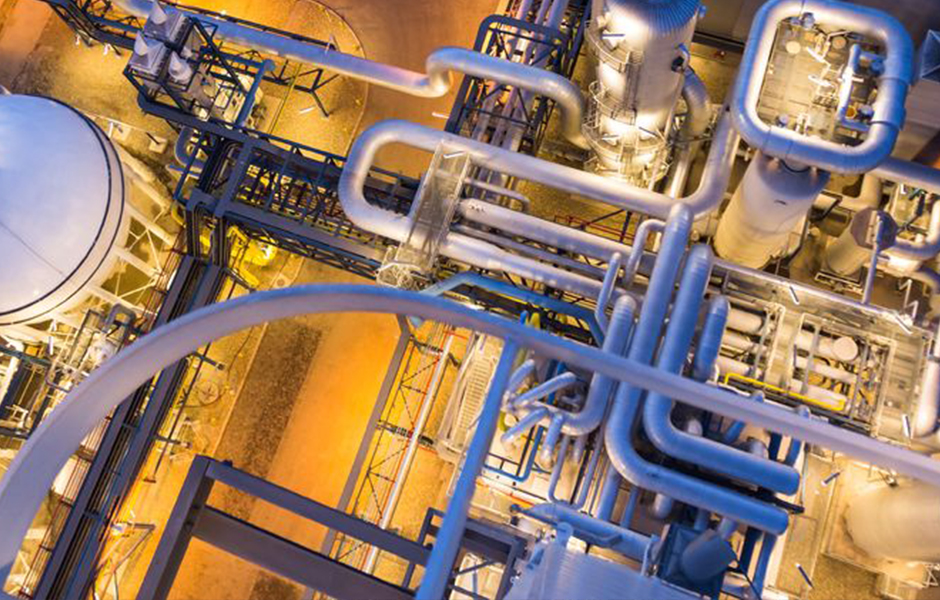
The scope is establishing an integrated facility to process locally mined phosphate rock into phosphoric acid and finished phosphate fertilizers for domestic and export markets. The plant will incorporate state-of-the-art processing units, utilities, and port-linked infrastructure within the Ain Sokhna industrial zone.
The project is currently under development and expected to commission by end of 2028. It represents a significant step in Egypt’s plan to become a regional hub for phosphate-based fertilizer production.

The Egypt project aims to install the Phosphatic fertiliser complex with following facilities
Per day
Per day
Per day